
What DNA Can Tell You About Irish Roots
Anyone who has researched Irish ancestors knows the feeling: you find a name, a county—maybe even a parish—and then the trail stops cold. Irish genealogy is famously challenging, not because records never existed, but because history, poverty, migration, and record loss reshaped what survives today. Understanding why Irish records are difficult—and how to work around those gaps—can turn frustration into progress.

Why Irish Genealogy Is So Challenging
A perfect storm of historical events shapes Irish research:
-
Late civil registration
-
Births, marriages, and deaths were not fully recorded until the mid-to-late 19th century.
-
-
Widespread poverty
-
Many families left few legal or property records.
-
-
Mass emigration
-
Entire generations disappeared overseas, leaving little behind.
-
-
Religious division
-
Records were kept by different churches with varying consistency.
-
-
Record destruction
-
One catastrophic event erased centuries of documentation.
-
Irish genealogy requires patience because the absence of records is often the norm, not the exception.
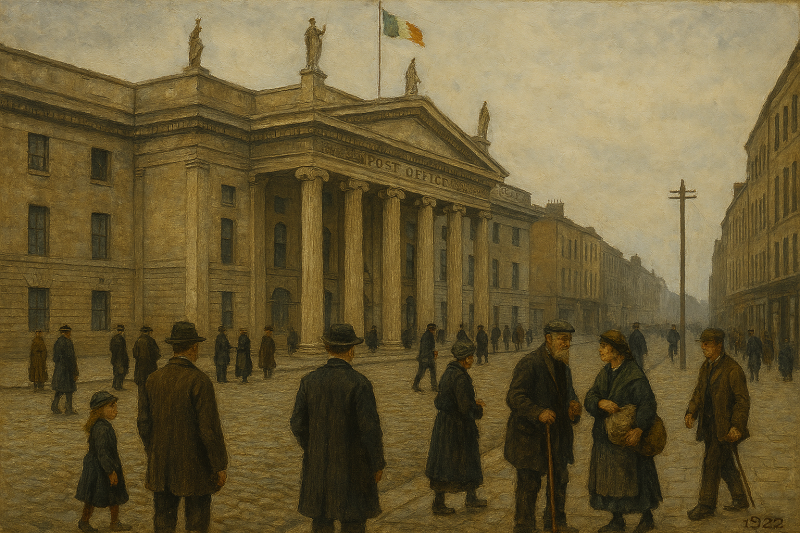
The 1922 Public Record Office Fire
One of the greatest tragedies for genealogists occurred in 1922, when the Public Record Office in Dublin was destroyed during the Irish Civil War.
Lost records included:
-
Nearly all 19th-century census returns
-
Wills and probate files
-
Court and land records
-
Church of Ireland parish registers
This single event erased vast portions of Ireland’s documentary memory. For many families, the paper trail ends not because ancestors vanished—but because their records did.
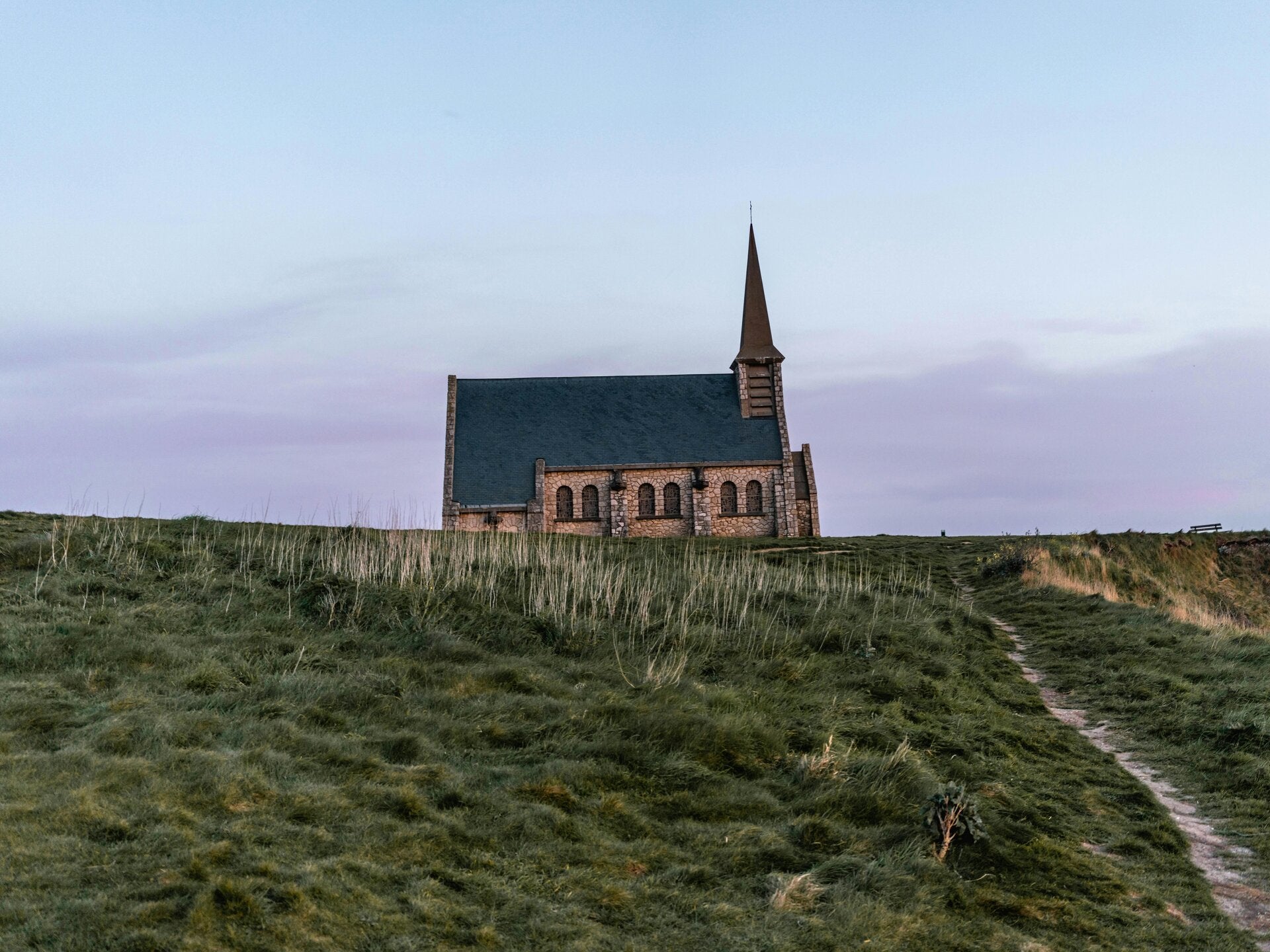
Parish Registers: The Backbone of Irish Research
When civil records fail, church records become essential.
What parish records may include:
-
Baptisms
-
Marriages
-
Burial entries (often limited)
Common challenges:
-
Inconsistent start dates
-
Missing years
-
Latinized names
-
Poor handwriting
-
Marginal notes or abbreviations
Despite limitations, parish registers often provide the only surviving evidence of Irish families before the 1860s.

Land Records as Substitute Vital Records
When birth, marriage, and death records are missing, land records step in.
Key substitutes include:
-
Griffith’s Valuation (mid-1800s)
-
Tithe Applotment Books (1820s–1830s)
-
Estate records and rent rolls
These sources don’t list relationships directly—but they place families in specific townlands, sometimes across generations. In Irish genealogy, land equals identity.

The Importance of Townlands
Irish research lives and dies by location.
A surname without a townland is often untraceable. Many surnames repeat within the same parish, sometimes within the same extended family.
Understanding:
-
Townlands
-
Civil parishes
-
Poor Law Unions
-
Barony boundaries
…is critical to separating families with identical names.
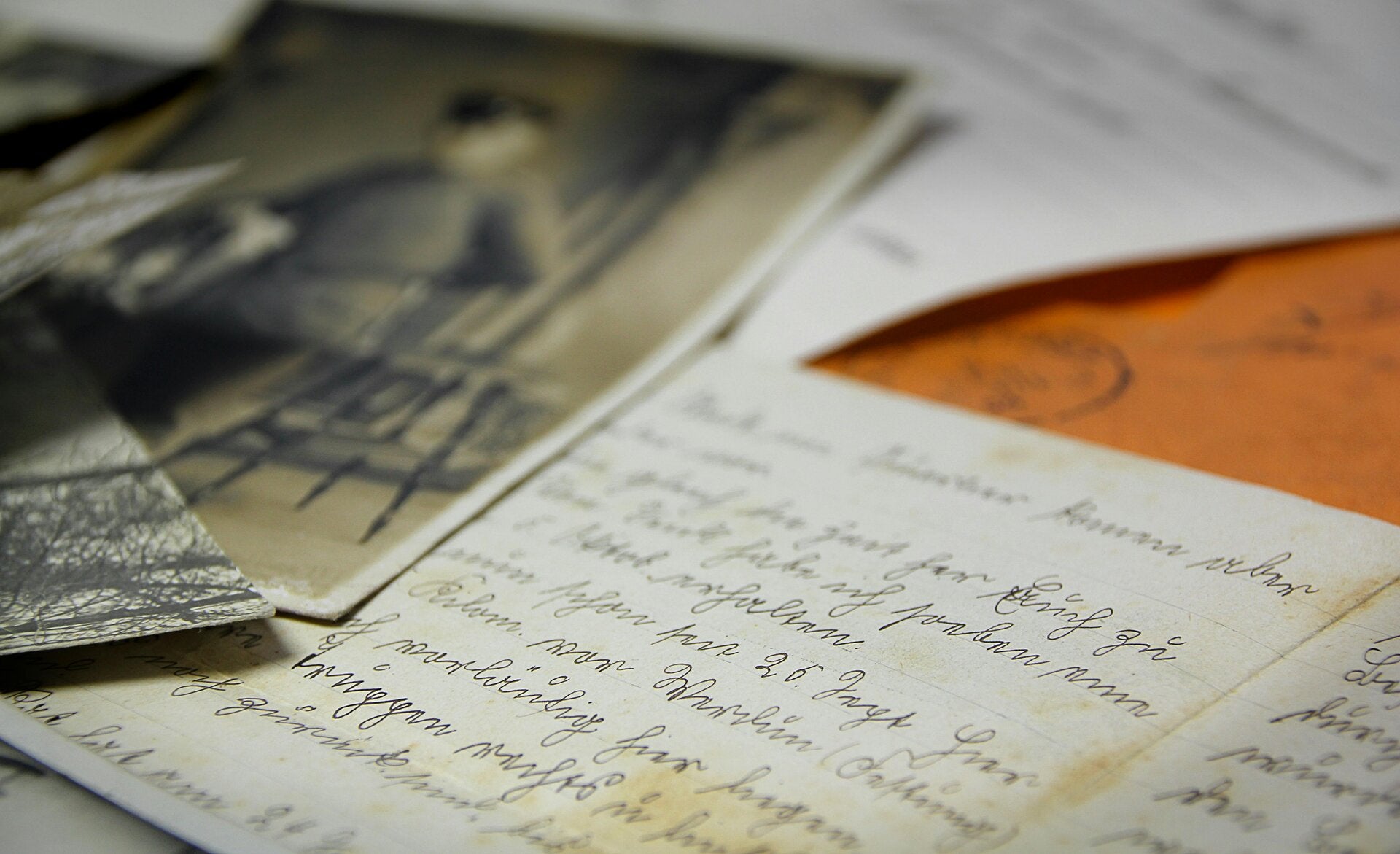
Naming Patterns: Helpful but Not Foolproof
Traditional Irish naming patterns can offer clues:
-
First son named after paternal grandfather
-
First daughter named after maternal grandmother
However:
-
These patterns were customs, not laws
-
Poverty, death, and remarriage often disrupted them
-
Repeated names can mislead researchers
Use naming patterns as supporting evidence, never as proof.

Why Irish Brick Walls Are So Common
Irish “brick walls” usually form because:
-
Multiple men share the same name in one parish
-
Records begin too late
-
Families moved between neighboring townlands
-
Emigration severed local connections
Breaking these walls often requires reconstructing entire communities, not just one family.

Strategies That Actually Work
Successful Irish research relies on context, not just records:
-
Research siblings, neighbors, and godparents
-
Trace entire townlands, not individuals
-
Combine DNA clusters with land records
-
Study local history and economic conditions
-
Accept that some answers will remain probable, not absolute
Irish genealogy rewards those willing to think broadly and patiently.
Irish records are fragmented, imperfect, and sometimes heartbreaking—but they are also rich with story. Each missing document reflects famine, migration, resilience, and survival. When you understand the challenges, Irish genealogy stops being a dead end and becomes an act of reconstruction—piecing together lives that history nearly erased.
Follow Dividing Ridge Genealogy online for more insights, resources, and stories from the world of family history. If you have a genealogy specialty, personal story, or research experience you’d like to share, we’d love to feature your work. Visit our History and Heritage Monthly Blog and connect with us through our Contact page—we look forward to hearing from you and celebrating the past together.
Create Your Own Website With Webador