Valentine’s Day often brings to mind chocolates, roses, and candlelit dinners—but for genealogists, it is also the perfect time to explore how love blossomed in generations past. Courtship, dating, and marriage have evolved dramatically over time, shaped by culture, tradition, community expectations, and even geography. By examining these customs, we gain a deeper understanding not only of our ancestors’ relationships, but of the societies they lived in.
This February, let’s step back in time and explore the beautiful, surprising, and sometimes amusing customs of courtship across generations and around the world.

A Look Back: Courtship in Early America
In the 18th and 19th centuries, courtship looked far different from the modern dating world. Young men and women didn’t “date” in the way we think of it now—they courted under the watchful eyes of parents and neighbors.
• Supervised Visits & Parlor Time
Courting couples often spent time together in the family parlor. A chaperone—usually a parent—remained nearby to maintain propriety. Privacy was limited, and expectations were clear: courtship was a step toward marriage, not casual companionship.
• “Bundling” in Colonial America
In some communities, particularly among the Pennsylvania Dutch and Puritans, a practice called bundling was common. Couples were allowed to sleep in the same bed—fully clothed and separated by a wooden board or heavy blankets—to spend time talking through cold winter nights. It sounds scandalous today, but at the time, it was a practical way to foster connection while adhering to strict moral norms.
• Engagement Announcements
Once engaged, families placed announcements in local newspapers. These notices often read like simple social updates, but they remain cherished genealogical clues today.
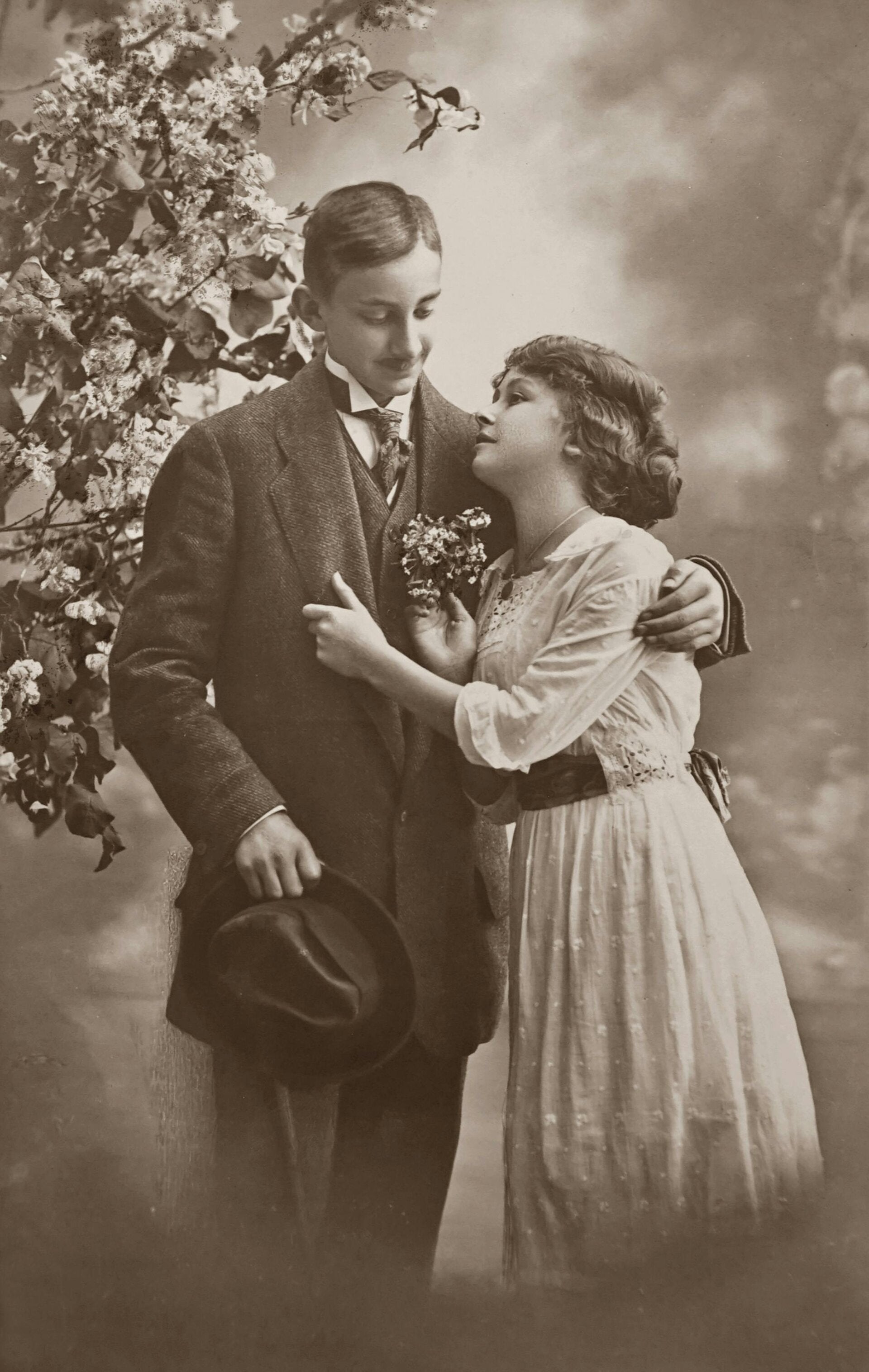
Twentieth-Century Transformations: Courtship Becomes Dating
As the 20th century progressed, significant cultural shifts reshaped how couples met and fell in love.
• The Rise of Going Out
By the 1920s and 1930s, couples no longer met only through family or church. Automobiles made travel easier, and young people flocked to dance halls, movie theaters, and soda fountains. Dating became an opportunity for fun and exploration—not just marriage preparation.
• Love Letters in Wartime
During both World Wars, long-distance relationships flourished through handwritten letters. Many families today still preserve these meaningful pieces of history—documents that reveal emotion, longing, and the hope for a future together.
• Postwar Traditions
By the 1950s, traditions like asking a father’s permission for his daughter’s hand in marriage, promise rings, and formal engagement announcements were widely embraced.
Cultural Traditions Around the World: Courtship Across Continents
Valentine’s Day also invites us to honor the unique customs tied to our cultural heritage. Many families have roots in countries where courtship looked very different from American norms.
Here are a few traditions that may appear in your own family history:
Ireland: Claddagh Rings & Handfasting
The iconic Claddagh ring—symbolizing love, loyalty, and friendship—was often used as a token of courtship or engagement. Some older Irish traditions included handfasting, where couples pledged themselves to one another by binding their hands with ribbon.
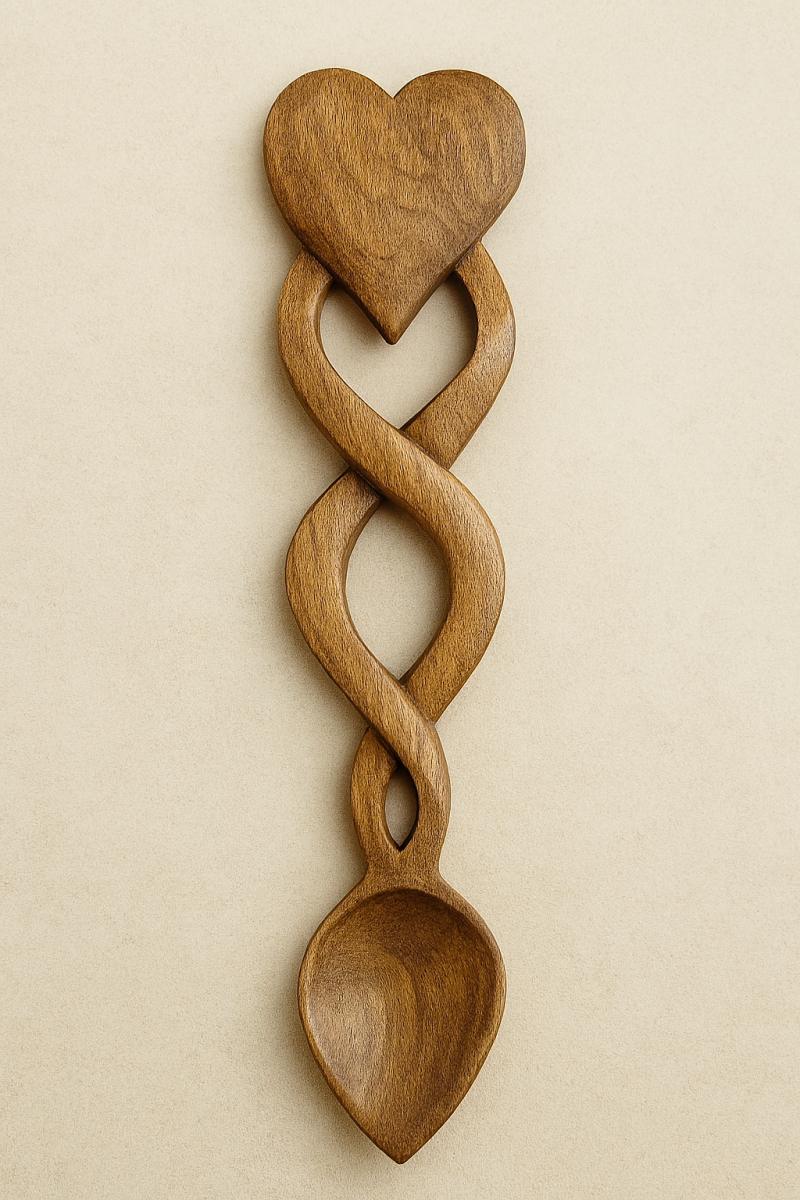
Germany: Love Spoons & Maypoles
Carved wooden love spoons were once given as tokens of affection, each symbol etched into the spoon representing hopes for the couple’s future. Courtship dances around the Maypole were also community events where couples met, and relationships began.
Mexico: Serenades & Family Involvement
Traditional Mexican courtship often included la serenata, where a suitor arrived with musicians to sing beneath the window of the one he loved. Courtship was a family affair, with parents playing an important role in guiding the relationship.
Japan: Omiai (Arranged Introductions)
Although less common today, the traditional omiai system introduced prospective couples through matchmakers or family connections. These introductions emphasized compatibility, family harmony, and long-term commitment.
India: Courtship Through Family Connections
Courtship in many Indian communities historically involved the families as much as the couple. Matchmaking centered on religion, caste, and regional customs, with engagement ceremonies rich in symbolism, music, and blessings.
Exploring these traditions helps us appreciate the diverse cultural roots woven into our family trees.

Final Thoughts: Love Through the Ages
As we celebrate Valentine’s Day, let us remember that love—whether shy and supervised, bold and modern, or shaped by centuries-old traditions—has always been part of the human story. Courtship customs may change with each generation, but the desire for connection remains timeless. What were your ancestors' love stories like? What courtship customs does your family still cherish today?
Follow Dividing Ridge Genealogy online for more insights, resources, and stories from the world of family history. If you have a genealogy specialty, personal story, or research experience you’d like to share, we’d love to feature your work. Visit our History and Heritage Monthly Blog and connect with us through our Contact page—we look forward to hearing from you and celebrating the past together.
Create Your Own Website With Webador